
Custom food packaging can change how customers feel about a meal before they even take the first bite. For restaurants, bakeries, cafes, and takeout brands, packaging has to do more than hold food. It needs to protect freshness, travel well, look appealing, and remind customers where the order came from.
Food presentation used to happen mostly inside the restaurant. Now, many customers experience a brand through delivery bags, burger boxes, bakery boxes, cups, sleeves, labels, and takeout containers. That means packaging has become part of the dining experience.
Good food packaging can make an order feel cleaner, more premium, and more memorable. It can also help customers recognize your brand the next time they want to order.
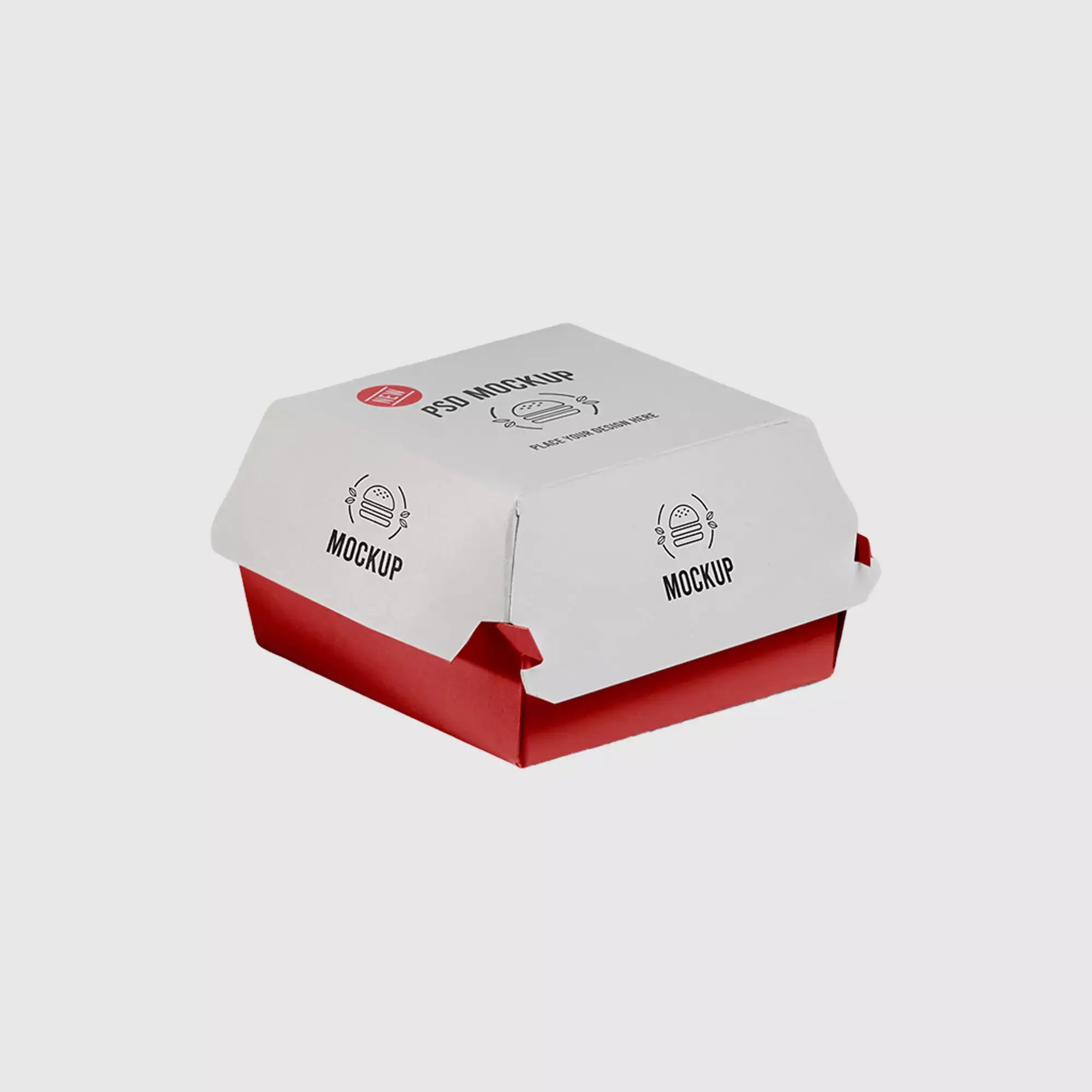
Design Packaging Around the Food
The best food packaging starts with the product itself. A burger box has different needs than a cookie box, cake box, pizza box, popcorn bucket, or coffee cup. Hot foods need airflow and structure. Bakery items need protection from crushing. Drinks need leak resistance and easy handling.
When packaging fits the food properly, the order arrives looking better. A strong fit also helps reduce mess, movement, and wasted material. Customers notice when food arrives neatly packed instead of squeezed, shifted, or damaged.
Use Branding Without Overcrowding the Design
Food packaging should be recognizable, but it does not need to be covered in graphics. A logo, brand color, short message, or simple pattern can be enough to create a branded experience.
For takeout and delivery, clean branding is especially useful. Customers may receive food away from your storefront, so the box or cup becomes the reminder of your business. A branded package can also appear in social posts, office lunches, events, and customer photos.
The goal is to make packaging feel intentional. It should look good on the table, in the customer’s hand, and in a delivery bag.
Make Takeout Feel More Premium
Takeout packaging does not have to feel basic. A custom burger box, printed pizza box, bakery sleeve, branded cup, or food tray can make a simple order feel more valuable. This matters because customers often compare the experience to the price they paid.
Premium touches do not always require expensive materials. Better structure, cleaner printing, a well-placed logo, and a neat closure can improve the experience. Even small changes can make a brand feel more professional.
Choose Materials Carefully
Food packaging materials should support freshness, safety, and presentation. Paperboard, corrugated board, kraft stock, and coated materials can all be useful depending on the product. Some foods need grease resistance. Some need ventilation. Some need stronger walls to protect shape during delivery.
Material choice also affects the brand image. Kraft packaging can support a natural, casual, or eco-conscious look. White or full-color printed packaging can feel clean, modern, or premium. The right choice depends on your menu, customer expectations, and price point.
Create Packaging for Repeat Orders
Food brands depend on repeat customers. Packaging can support that goal by making the order easier to remember. A short message, QR code, reorder offer, loyalty note, or social handle can encourage customers to come back.
This works especially well for cafes, bakeries, dessert brands, meal prep companies, and local restaurants. If the food is good and the packaging looks polished, customers are more likely to remember the brand later.
Think About Delivery Conditions
Delivery adds another layer of challenge. Food may sit in a bag, move in a car, or travel with other items. Packaging should protect the product through that journey. Strong closures, good sizing, stackable shapes, and proper ventilation can all help.
If customers often receive food through delivery apps, packaging becomes even more important. The box should help the food arrive as close as possible to the way it left the kitchen.
Use Different Packaging for Different Menu Items
One packaging style rarely works for every food item. Restaurants may need burger boxes, fry cartons, pizza boxes, sleeves, labels, cups, bowls, or dessert boxes. Bakeries may need cake boxes, cookie boxes, pastry trays, and custom inserts.
A consistent visual system can connect all these pieces. Use the same logo style, colors, and tone across each package type so the brand feels unified even when the structures are different.
Add Useful Details
Food packaging can carry helpful information. This may include heating instructions, flavor labels, ingredient notes, handling tips, or storage guidance. These details can improve customer experience and reduce confusion.
Useful packaging feels thoughtful. It shows that the brand considered what happens after the food leaves the counter.
Conclusion
Custom food packaging helps restaurants, bakeries, cafes, and takeout brands improve presentation, protect products, and build stronger customer recognition. The right packaging makes food look better, travel better, and feel more memorable.
Ready to improve your food packaging? Explore custom burger boxes, custom pizza boxes, or request a custom quote from EcoBoxStudio.