Premium products need packaging that feels intentional. The box should protect the item, support the price point, and help customers understand why the product is worth choosing. Two common options are rigid boxes and folding cartons. Both can look professional, but they serve different needs.
A rigid box is usually thicker, stronger, and more presentation-focused. A folding carton is lighter, more flexible, and often more cost-efficient for larger production runs. Choosing between them depends on product value, retail goals, shipping method, budget, and the kind of experience you want customers to have.
This guide compares custom rigid boxes and folding cartons so premium brands can make a smarter packaging decision before ordering.
What Is a Rigid Box?
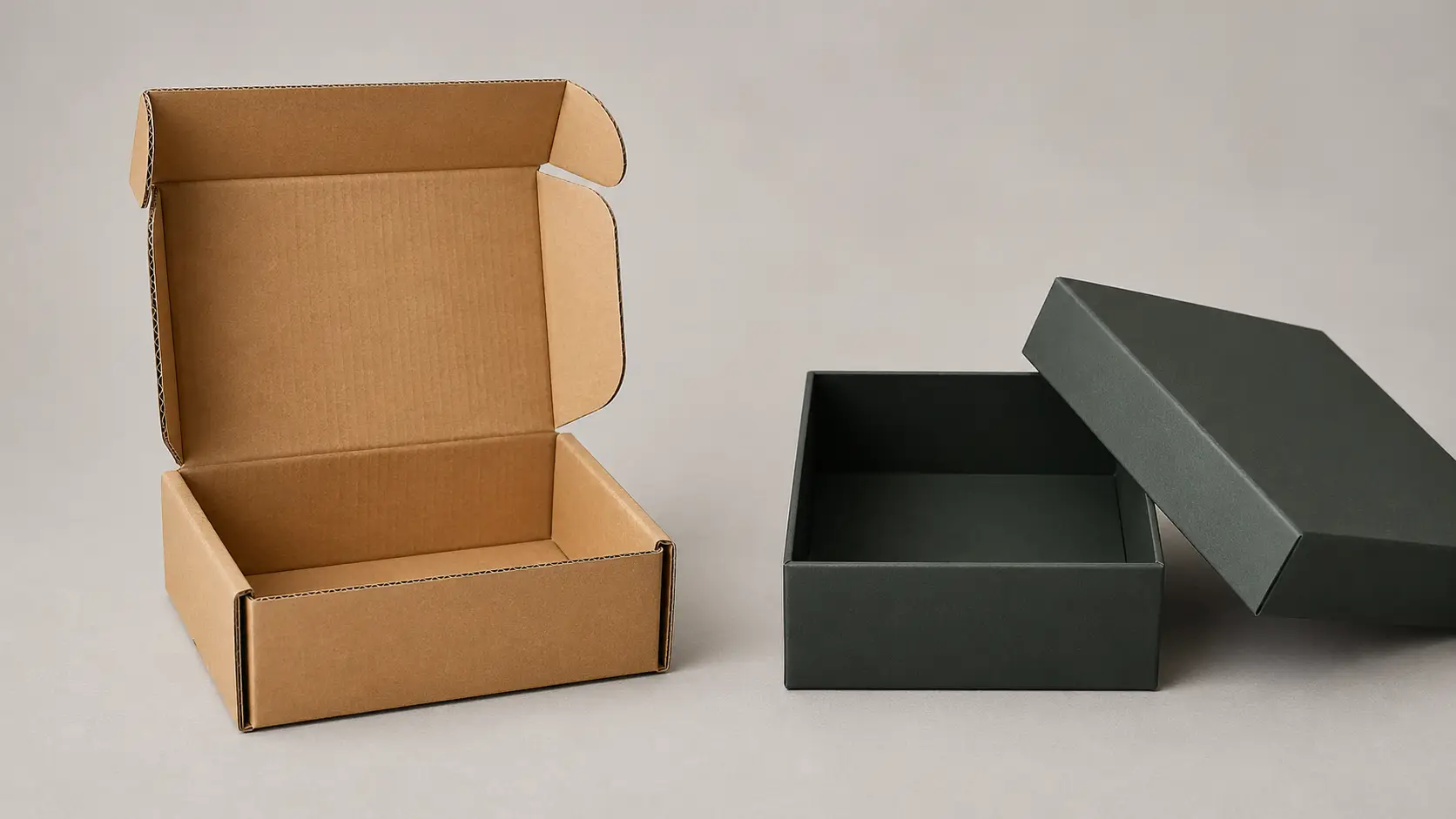
A rigid box is made with thick paperboard that does not collapse flat like a standard folding carton. It is often used for luxury products, gift sets, electronics, perfumes, jewelry, cosmetics, candles, and high-end retail items. Because of its sturdy feel, it can instantly make a product seem more valuable.
Rigid boxes can be designed in several styles, including two-piece boxes, magnetic closure boxes, drawer boxes, sleeve and tray boxes, and collapsible rigid boxes. They can also include inserts, ribbons, foil stamping, embossing, soft-touch coating, spot UV, and specialty textures.
What Is a Folding Carton?
A folding carton is usually made from lighter paperboard. It is printed flat, cut, scored, folded, and glued into shape. Folding cartons are common for cosmetics, skincare, supplements, food products, retail goods, and many consumer packaged products.
Folding cartons are efficient because they ship and store flat before assembly. This can reduce storage space and make them more practical for brands ordering larger quantities. They can still look premium with the right printing, coating, and finishing, but they do not have the same thick structural feel as rigid boxes.
Presentation and Perceived Value
Rigid boxes usually win when presentation is the top priority. They feel substantial in the hand, open more slowly, and create a stronger gift-like experience. This is why many luxury brands use rigid packaging for products where emotion, status, and first impression matter.
Folding cartons can still look beautiful, especially with quality artwork and finishes. They are a good choice when the product needs a clean retail box but does not require a heavy luxury feel. For premium but accessible products, folding cartons can deliver a polished look while keeping costs more controlled.
Protection and Durability
Rigid boxes offer better structure and crush resistance. They are useful for fragile, heavy, or high-value products that need extra protection and a premium presentation. Inserts can make them even more secure by holding products in place.
Folding cartons provide lighter protection. They work well when the product has its own inner container, such as a jar, tube, bottle, or pouch. For shipping, folding cartons often need an outer mailer or shipping box to protect them during transit.
Cost and Production Efficiency
Folding cartons are usually more affordable than rigid boxes. They use less material, store flat, and can be efficient for larger runs. If a brand needs thousands of retail boxes for a product line, folding cartons may be the practical choice.
Rigid boxes typically cost more because they use thicker material and require more involved production. The higher cost can make sense when the packaging supports a premium price, gift presentation, influencer campaign, or luxury retail positioning.
Shipping and Storage
Storage matters more than many brands realize. Folding cartons are compact before assembly, which helps reduce warehouse space. This is helpful for businesses with multiple SKUs or limited storage.
Traditional rigid boxes take more space because they do not ship flat. Collapsible rigid boxes can solve part of this problem by offering a premium look with more efficient storage. If space is a concern but you still want a luxury feel, collapsible magnetic boxes may be worth considering.
Best Uses for Rigid Boxes
Rigid boxes are a strong choice for luxury cosmetics, perfume gift sets, jewelry, electronics, candles, premium wellness products, corporate gifts, influencer kits, and subscription boxes with higher perceived value. They work especially well when unboxing is part of the selling experience.
If customers are likely to keep the box, photograph it, give it as a gift, or connect it with quality, rigid packaging can support the brand story.
Best Uses for Folding Cartons
Folding cartons are a strong choice for skincare, cosmetics, supplements, food items, retail products, small consumer goods, and products that need a printed outer package at scale. They are practical, lightweight, and flexible across many industries.
If your product already has strong protection from its container and you need a clean retail package, folding cartons may be the better fit.
Which One Should You Choose?
Choose rigid boxes when presentation, luxury feel, protection, and perceived value matter most. Choose folding cartons when cost efficiency, storage, retail practicality, and larger production runs matter more.
Some brands use both. A standard product line may use folding cartons, while limited editions, gift sets, or premium collections use rigid boxes. This approach helps control costs while still creating special moments for higher-value products.
Conclusion
Rigid boxes and folding cartons can both support premium packaging, but they do it in different ways. Rigid boxes create a stronger luxury experience, while folding cartons offer practical, polished packaging for larger-scale retail needs.
EcoBoxStudio can help you compare materials, structures, finishes, and cost options for your product. Request a custom packaging quote and we will help you choose the right packaging style.