
Eco-friendly packaging is no longer a small detail. For many customers, it is part of how they judge a brand. People want products that look good, arrive safely, and do not create unnecessary waste. At the same time, brands need packaging that is practical, affordable, durable, and attractive.
The good news is that sustainable packaging does not have to feel plain or limited. With the right materials, structure, and design choices, eco-friendly boxes can look polished while supporting a more responsible brand image.
For growing businesses, this is a strong opportunity. Better packaging can reduce waste, improve customer trust, and help a brand stand apart in a market where buyers are paying closer attention to what happens after the purchase.
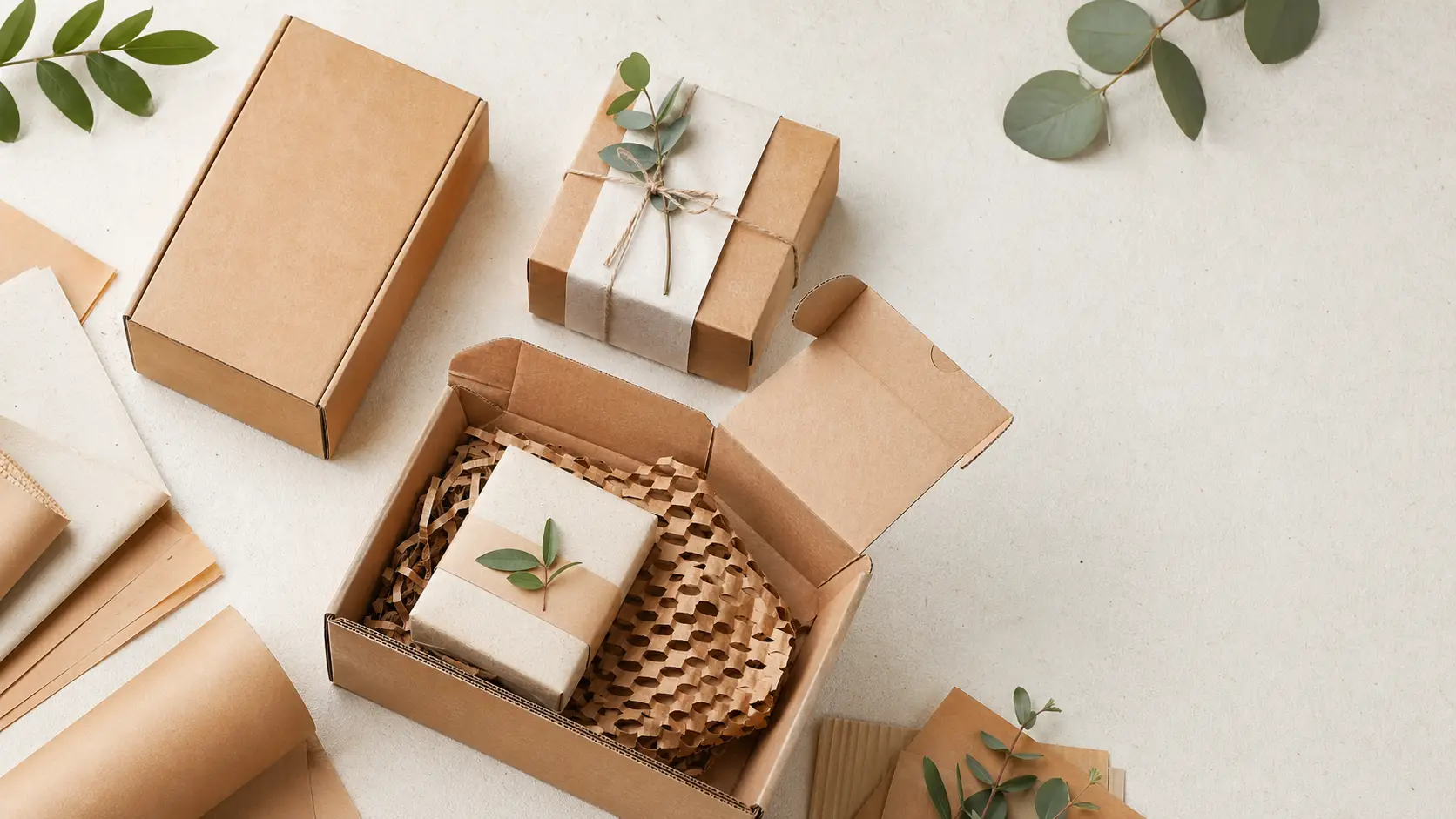
Start With the Right Size Box
One of the simplest ways to make packaging more eco-friendly is to reduce empty space. Oversized boxes require more material, more filler, and more shipping room. They can also make the product feel less carefully packed.
A custom-sized box helps solve this problem. When packaging fits the product properly, it can reduce waste and improve protection at the same time. This is especially useful for ecommerce brands that ship large numbers of orders. Even small reductions in material can add up over time.
Right-sized packaging also creates a better customer experience. The product feels intentionally packed, not dropped into a generic box with extra filler.
Choose Recyclable Materials
Recyclable paper-based packaging is one of the most practical choices for many brands. Corrugated boxes, kraft paper boxes, and paperboard cartons can offer a strong balance of protection, print quality, and sustainability.
Corrugated packaging is especially useful for shipping because it is strong, lightweight, and widely recyclable. Kraft packaging gives a natural, simple look that works well for wellness, food, beauty, handmade goods, and eco-conscious retail products.
When choosing materials, think about the full journey. Will the box be shipped? Displayed in retail? Stored by the customer? The material should support the product while staying as responsible as possible.
Reduce Plastic Where You Can
Plastic is sometimes used because it is cheap, clear, or protective. But many brands can reduce plastic by switching to paper inserts, molded pulp, recyclable sleeves, or custom-fit box structures.
For products that need visibility, brands can explore window-free designs with strong product photography or clean printed details. Instead of relying on plastic windows, packaging can use clear messaging, lifestyle images, and thoughtful layout to help customers understand the product.
If protection is the concern, a custom insert can often replace loose plastic filler. Paperboard dividers, corrugated inserts, and molded pulp can keep products secure while creating a cleaner unboxing experience.
Use Minimal Printing With Strong Design
Eco-friendly packaging does not need heavy ink coverage to look premium. In many cases, simpler printing feels more modern and more responsible. A clean logo, thoughtful typography, and a limited color palette can make kraft or white packaging look refined.
Minimal design can also support faster recognition. Customers do not need to process too much information at once. A clear front panel, simple product name, and one strong brand message can be enough.
For brands that want a more elevated look, small finishing touches can help. A printed sleeve, custom label, or one-color design can add personality without overcomplicating the package.
Make Sustainability Clear Without Overclaiming
Customers appreciate transparency, but they also notice vague claims. Words like “green” or “eco” are not as helpful unless the packaging explains what makes it better.
Use clear language such as this box is recyclable, made with paper-based materials, designed to reduce excess packaging, or please recycle after use. These simple statements help customers understand what to do with the package and why your brand made that choice.
Avoid claims that are difficult to prove. Honest, specific language builds more trust than broad promises.
Design for Reuse When It Makes Sense
Some packaging can have a second life. Rigid boxes, gift boxes, and sturdy mailers are often kept by customers if they look good and feel useful. This can extend the life of the packaging and keep your brand visible for longer.
Reusable packaging works especially well for gifts, cosmetics, candles, jewelry, electronics, and premium products. If the box is attractive and durable, customers may use it for storage or gifting.
This does not mean every package needs to be reusable. Shipping boxes and basic product cartons may be better designed for easy recycling. The right choice depends on the product and customer experience.
Conclusion
Eco-friendly packaging is about making smarter choices. A right-sized box, recyclable materials, reduced plastic, honest messaging, and thoughtful design can all help your brand grow responsibly.
You do not need to choose between sustainability and strong presentation. With the right packaging strategy, your boxes can protect your products, support your values, and give customers a better reason to remember your brand.
Helpful Packaging Links
{“@context”: “https://schema.org”, “@type”: “Article”, “headline”: “Eco-Friendly Packaging Ideas for Brands That Want to Grow Responsibly”, “description”: “Discover practical eco-friendly packaging ideas that help brands reduce waste, improve presentation, and connect with modern customers.”, “author”: {“@type”: “Organization”, “name”: “EcoBoxStudio”}, “publisher”: {“@type”: “Organization”, “name”: “EcoBoxStudio”, “url”: “https://ecoboxstudio.com/”}, “mainEntityOfPage”: {“@type”: “WebPage”, “@id”: “https://ecoboxstudio.com/”}}
Want Eco-Friendly Packaging for Your Brand?
If you want packaging that feels responsible without looking plain, EcoBoxStudio can help you choose the right structure, material, print style, and finish for your products.
Request a custom packaging quote and start building packaging that supports your product, your brand, and your customer experience.